
Sjögren’s Syndrome
This leaflet provides information about Sjögren’s Syndrome, its symptoms, how it is diagnosed, available treatments, and long-term management. It is designed to help you understand the condition and make informed decisions about your care. Please do not hesitate to discuss any questions or concerns with your rheumatologist, surgeon, or healthcare team.
What is Sjögren’s Syndrome?
Sjögren’s (pronounced Show-grens) Syndrome is an autoimmune rheumatic disease. It is the second most common autoimmune condition in the UK. In a healthy immune system, white blood cells fight infection. In Sjögren’s Syndrome, the immune system mistakenly attacks the body’s own moisture-producing glands, specifically the lacrimal glands (which produce tears) and the salivary glands (which produce saliva). This causes inflammation and prevents the glands from working properly. There are two types of the condition:
- Primary Sjögren’s Syndrome: The condition occurs on its own.
- Secondary Sjögren’s Syndrome: The condition develops in someone who already has another autoimmune disease, such as Rheumatoid Arthritis, Lupus (SLE), or Scleroderma.
Who is Affected?
Sjögren’s Syndrome can affect anyone at any age, but it is most common in women (approximately 90% of patients are female) and is typically diagnosed between the ages of 40 and 60. However, it can also affect men and younger people.
What are the Symptoms?
The symptoms vary significantly from person to person. Some people have mild discomfort, while others experience debilitating symptoms that affect their daily life. The most common symptoms include:
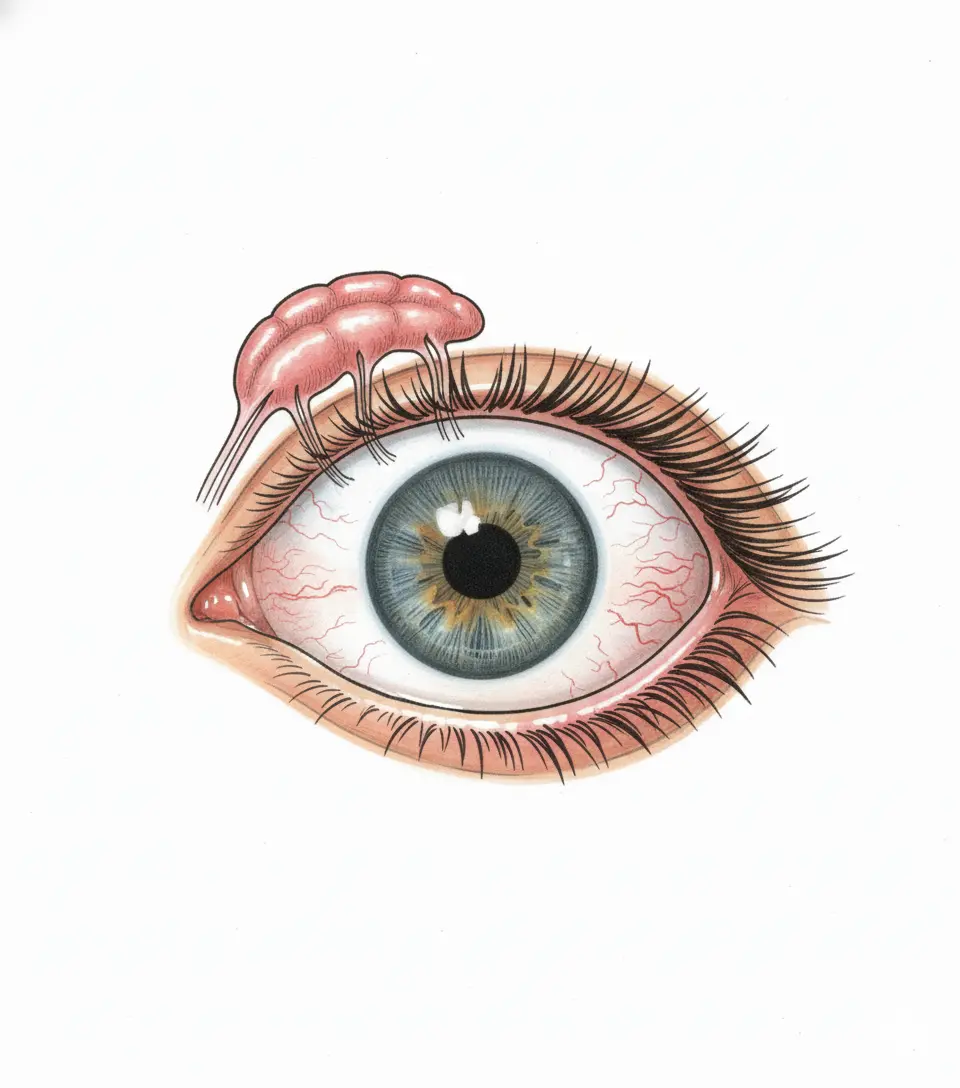
Glandular Symptoms (Dryness)
- Dry Eyes: Eyes may feel gritty, sandy, or irritated. You may be sensitive to bright light (photophobia) or notice mucus collecting in the corners of the eyes.
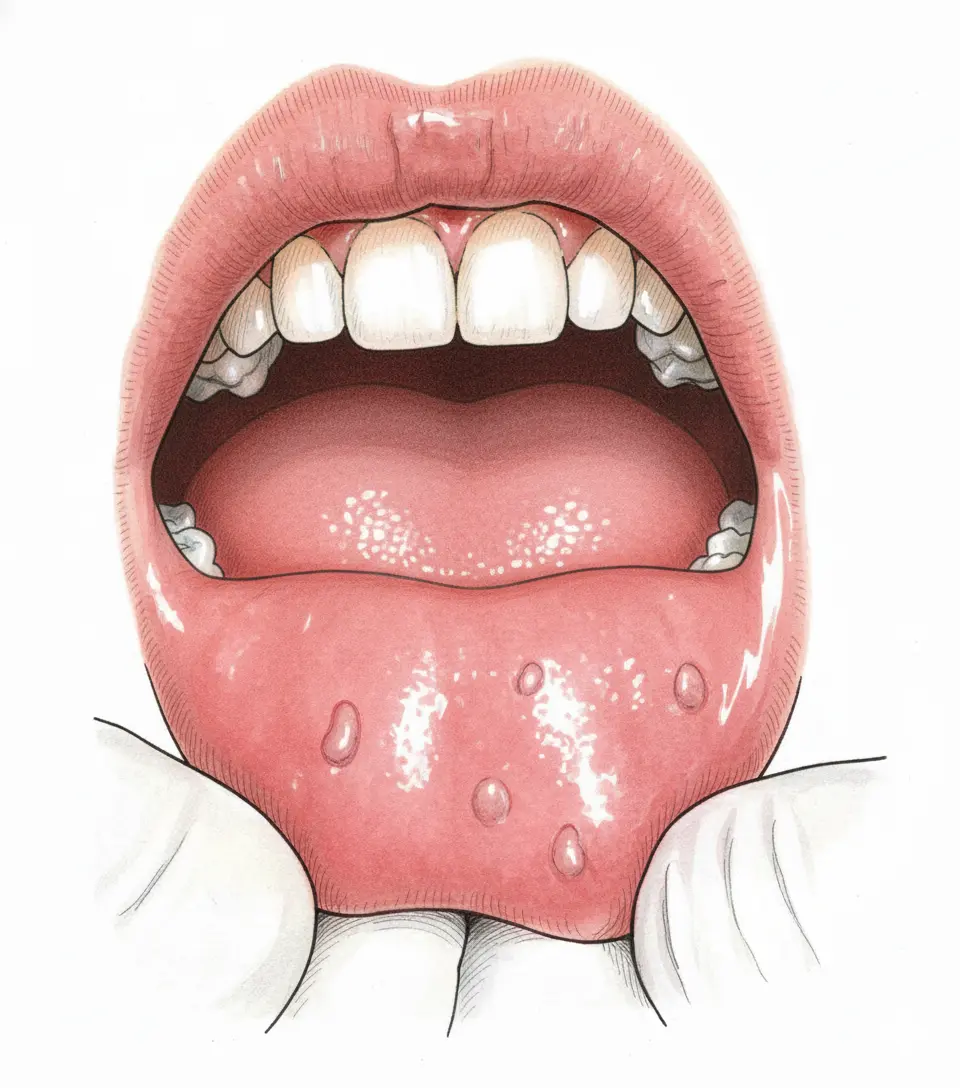
- Dry Mouth (Xerostomia): A lack of saliva can make it difficult to chew, swallow dry foods, or speak for long periods. You may need to sip water frequently.
- Other Dryness: Dryness can affect the skin, the nose/throat (causing a dry cough), and the vagina (causing discomfort during intercourse).
Systemic Symptoms (Whole Body)
- Fatigue: profound mental and physical tiredness is a major symptom for many patients.
- Joint and Muscle Pain: You may experience aches, stiffness, or swelling in the joints, similar to arthritis.
- Swelling: The parotid glands (at the angle of the jaw/in front of the ears) may become swollen and tender.
- Brain Fog: Difficulty concentrating or remembering things.
How is it Diagnosed?
Diagnosing Sjögren’s Syndrome can be difficult because the symptoms often mimic other conditions (like menopause or medication side effects). Diagnosis usually involves a combination of your medical history and specific tests:
- Blood Tests: To check for specific antibodies (anti-Ro/SSA and anti-La/SSB) that are found in many, but not all, patients with Sjögren’s.
- Eye Tests: A "Schirmer’s Test" involves placing a small strip of paper under the eyelid to measure tear production. An ophthalmologist may also use special dyes to look for dry spots on the surface of the eye.
- Salivary Flow Test: Measuring how much saliva you produce over a set time (usually 5–15 minutes).
- Lip Biopsy: As detailed in the minor salivary gland biopsy leaflet, a few tiny glands are removed from the inner lip to look for clusters of inflammatory cells under a microscope.
What are the Potential Complications?
While many patients manage well, long-term dryness can lead to complications:
- Dental Problems: Saliva protects teeth. A lack of saliva significantly increases the risk of tooth decay, gum disease, and oral thrush (fungal infection).
- Eye Damage: Severe dryness can lead to corneal ulcers or infections if not managed.
- Neuropathy: Some patients experience numbness, tingling, or burning in the hands and feet due to nerve involvement.
- Raynaud’s Phenomenon: Fingers turning white or blue in the cold.
- Lymphoma: There is an increased risk (approx. 5%) of developing lymphoma (a cancer of the lymph nodes) in the parotid gland or neck. While this is serious, it is treatable, and your specialist will monitor you for any persistent swelling.
How is it Treated?
Currently, there is no cure for Sjögren’s Syndrome, but treatments are available to manage symptoms and prevent complications. Treatment is tailored to your specific needs:
Managing Dry Eyes
- Artificial Tears: Preservative-free eye drops used regularly during the day.
- Ointments: Thicker gels applied at night.
- Punctal Plugs: Tiny plugs inserted into the tear ducts to stop tears draining away, keeping the eyes moister.
Managing Dry Mouth
- Saliva Substitutes: Sprays, gels, or lozenges to lubricate the mouth.
- Stimulants: Sugar-free gum or sweets containing Xylitol can stimulate saliva flow.
- Medication: Prescription drugs such as Pilocarpine can help stimulate the glands to produce more moisture.
- Dental Hygiene: Rigorous dental care is essential. This includes high-fluoride toothpaste, regular dental check-ups, and avoiding sugary snacks.
Systemic Treatment
For joint pain, fatigue, or organ involvement, your rheumatologist may prescribe:
- Hydroxychloroquine: A medication that helps reduce joint pain and fatigue.
- Immunosuppressants: Stronger medications (such as Methotrexate) may be used if the condition affects the lungs, kidneys, or nerves.
Long-Term Outlook
For most patients, Sjögren’s Syndrome is a chronic (long-term) condition that requires ongoing management rather than a one-time cure. The condition does not typically shorten life expectancy, but the symptoms—particularly fatigue and dryness—can impact quality of life.
With appropriate treatment, self-care, and regular monitoring by dental and medical professionals, most patients lead full and active lives.
General Advice and Self-Help
- Avoid Dry Environments: Use humidifiers at home and avoid sitting directly in front of fans or air conditioning.
- Diet: Avoid very dry, salty, or spicy foods. Limit alcohol and caffeine, as these can worsen dryness.
- Stop Smoking: Smoking irritates the mouth and eyes and worsens symptoms.
- Support: Dealing with a chronic condition can be isolating. Organizations like Sjögren’s UK offer valuable support networks and detailed information for patients.